Nana Kwadwo Agyei Addo

Nana Kwadwo Agyei Addo

Nana Kwadwo Agyei Addo is a Ghanaian visual artist whose practice is grounded in meditative stillness and cinematic precision. Guided by the immaterial registers of emotion, his lens renders the imperceptible tactile and the unsaid audible — assembling a visual archive of ache, tenderness, and disquiet and mapping affective terrains with uncommon acuity.

Nana Kwadwo Agyei Addo is a Ghanaian visual artist whose practice is grounded in meditative stillness and cinematic precision. Guided by the immaterial registers of emotion, his lens renders the imperceptible tactile and the unsaid audible — assembling a visual archive of ache, tenderness, and disquiet and mapping affective terrains with uncommon acuity.

Nana Kwadwo Agyei Addo’s Letter to Adoma / Letter to Frema unfolds as a contemplative epistolary diptych — two monologues suspended in parallel rather than in dialogue. Adoma, the enduring soul, and Frema, the vanishing muse, speak across a gulf of longing, disillusionment, and slow estrangement. These letters do not plead for reconciliation; they sift through the sediment of love frayed by repetition and faith thinned by time.

What remains is an existential fatigue, where the self contends with fracture and inherited expectation alike. The language drifts between the devotional and the disenchanted, offering no resolution — only the persistent ache of an almost-grief.

Nana Kwadwo Agyei Addo’s Letter to Adoma / Letter to Frema unfolds as a contemplative epistolary diptych — two monologues suspended in parallel rather than in dialogue. Adoma, the enduring soul, and Frema, the vanishing muse, speak across a gulf of longing, disillusionment, and slow estrangement. These letters do not plead for reconciliation; they sift through the sediment of love frayed by repetition and faith thinned by time.

What remains is an existential fatigue, where the self contends with fracture and inherited expectation alike. The language drifts between the devotional and the disenchanted, offering no resolution — only the persistent ache of an almost-grief.
Dom Pérignon vineyards from the sky
Vine leaf
Vine leaf

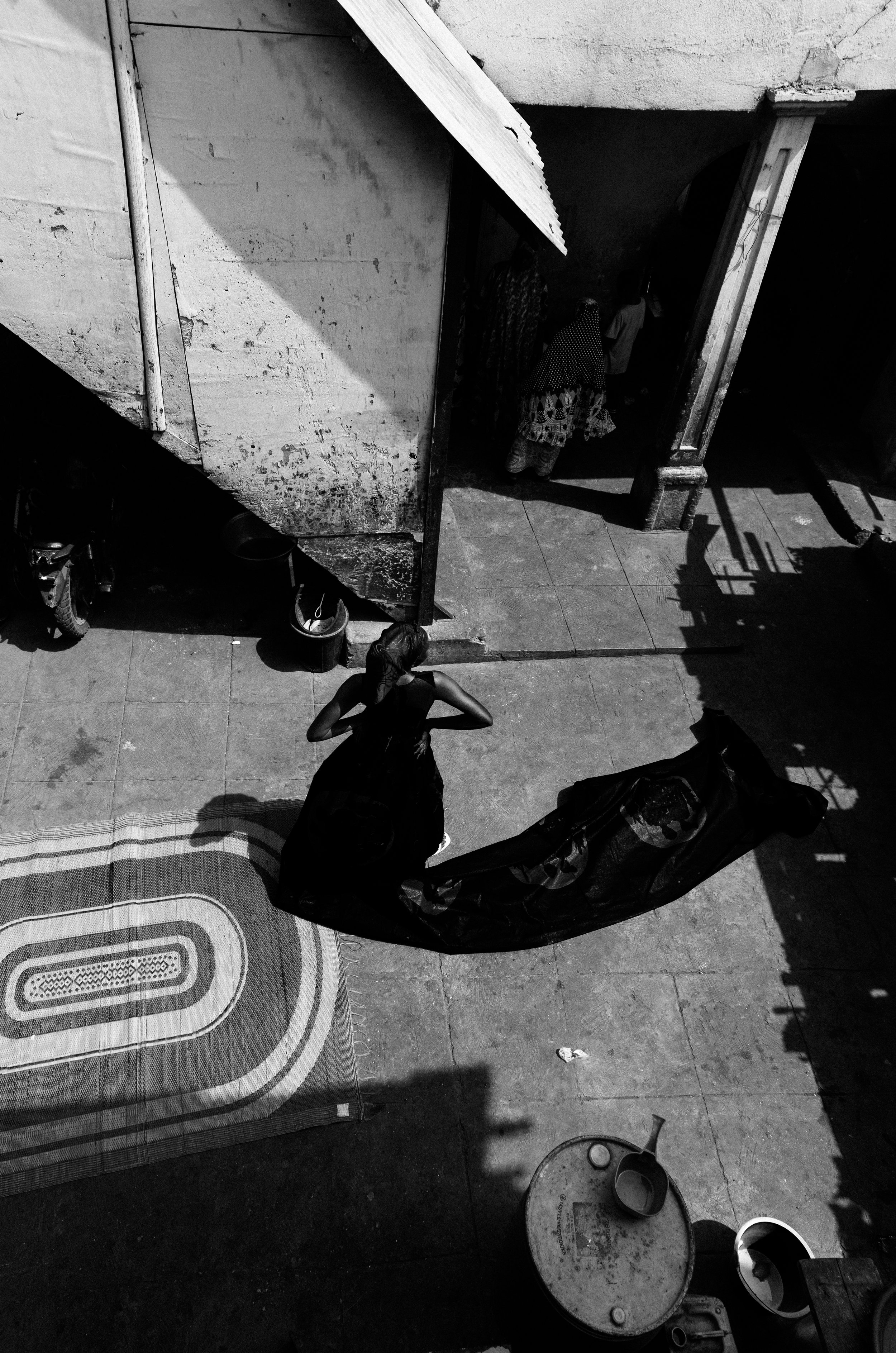
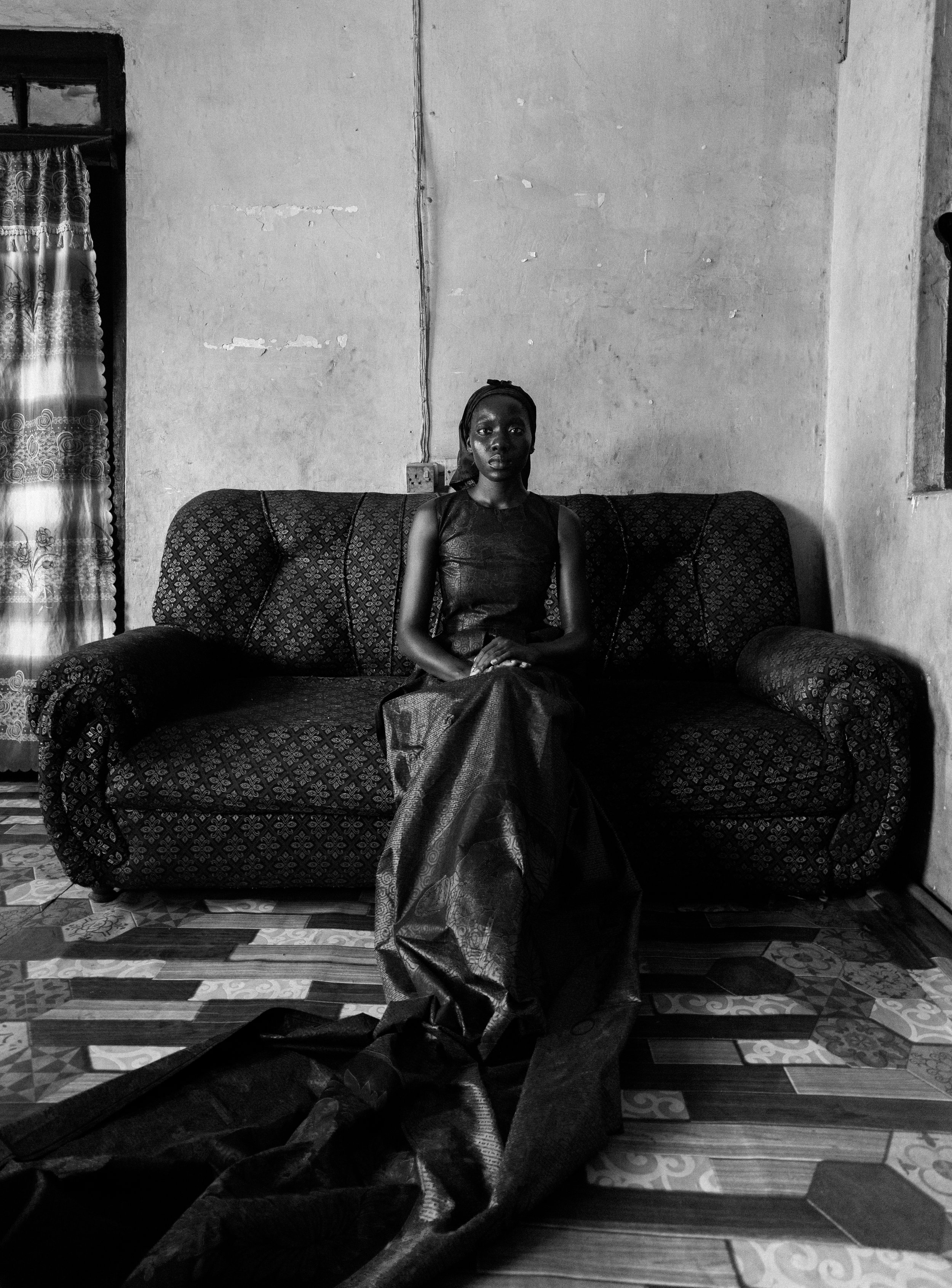
In Auntie Yaa and Her Kaba and Slit, Addo extends his poetics of absence, where mourning is neither private nor inert but enacted, adorned, and ritualized. Draped in the vestments of Ghanaian widowhood, Auntie Yaa appears as both relic and oracle—rendered part altar, part apparition, suspended in an ethical ambiguity that resists resolution. 

Spanning both series, Addo conjures a cosmology in which sorrow is not mended but inhabited, where emotional contradiction is not smoothed out but exquisitely held—and in doing so, he proves himself a bard of storytelling, where the unsaid bears as much heft as the staged and the seen.

In Auntie Yaa and Her Kaba and Slit, Addo extends his poetics of absence, where mourning is neither private nor inert but enacted, adorned, and ritualized. Draped in the vestments of Ghanaian widowhood, Auntie Yaa appears as both relic and oracle—rendered part altar, part apparition, suspended in an ethical ambiguity that resists resolution. 

Spanning both series, Addo conjures a cosmology in which sorrow is not mended but inhabited, where emotional contradiction is not smoothed out but exquisitely held—and in doing so, he proves himself a bard of storytelling, where the unsaid bears as much heft as the staged and the seen.

Dom Pérignon vineyards from the sky